
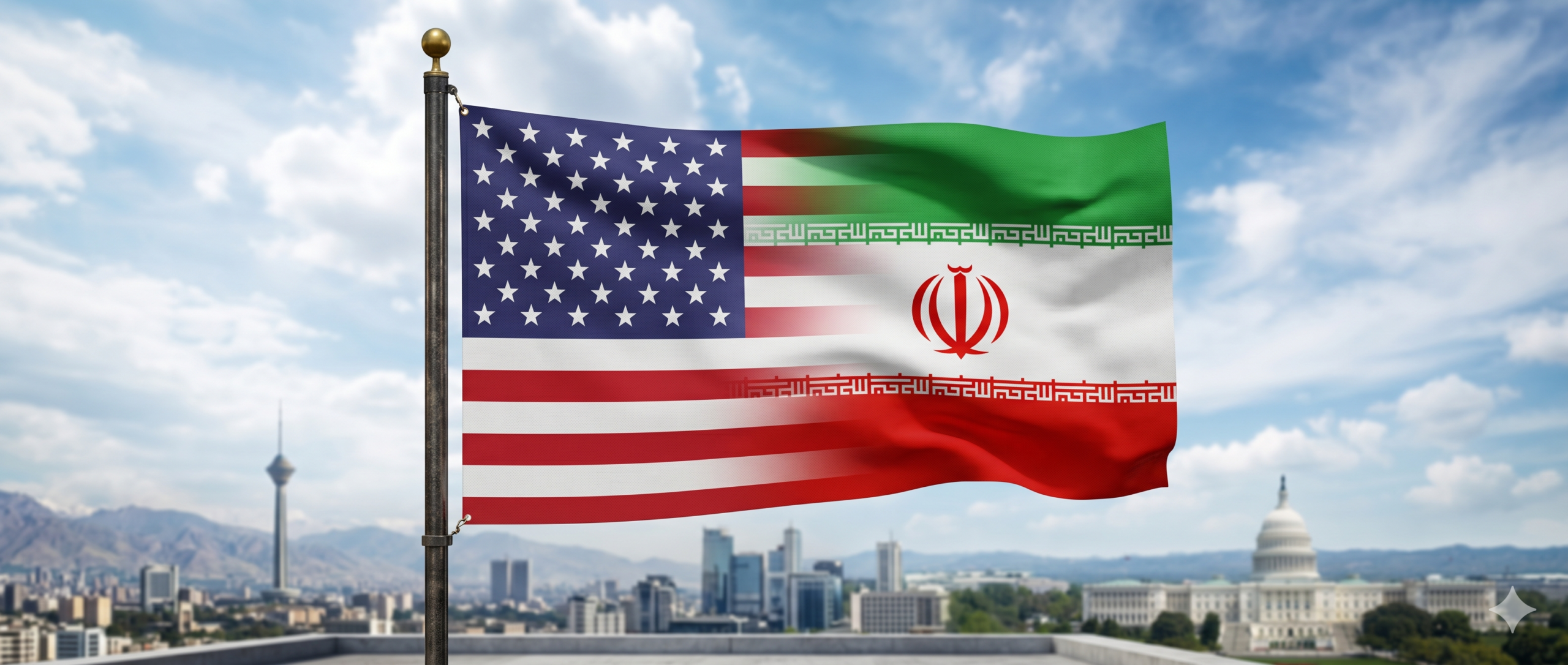
In a stunning diplomatic breakthrough that has reshaped the global geopolitical landscape overnight, the United States and Iran announced a comprehensive interim peace agreement on Sunday, June 14, 2026. Designed to halt the destructive conflict that erupted earlier this year, the breakthrough has sent immediate shockwaves through global commodity desks, equity markets, and international shipping corridors. Brokered following intense, quiet mediation by Pakistan and Qatar, the deal establishes a 14-point Memorandum of Understanding (MOU). While the official legal texts remain strictly guarded ahead of the formal signing ceremony scheduled for Friday, June 19, 2026, in Geneva, Switzerland, intelligence gathered from diplomatic briefs outlines a highly structured, 60-day transitional framework aimed at immediate military de-escalation and economic relief.
| Immediate Cessation of Hostilities | Both Washington and Tehran have declared a formal, bindingtermination of active military operations across all land, air, and maritime fronts. |
| Reopening the Strait of Hormuz | Iran has committed to lifting all aggressive restrictions and security checks within the vital choke point, aiming to restore unrestricted international commercial navigation within 30 days. |
| Termination of the Naval Blockade | Concurrent with Iran’s maritime commitments, the United States hasinitiated the immediate removal of its sweeping naval blockade on Iranian commercial and energy ports. |
| The 60-Day Technical Nuclear Window | While Iran has reiterated its foundational pledge never to pursuenuclear weapons, the thorniest technical details—specifically regarding Iran’s existing stockpile of highly enriched uranium—have been deferred to an intensive 60-day technical negotiation window. |
| Conditional Sanctions Relief | In exchange for sustained operational compliance and verifiable maritime openness, Iran will secure phased relief from primary energy sanctions and regain access to billions of dollars in frozen foreign currency reserves. |
Commodity trading desks responded immediately to Sunday’s announcement. The “active conflict premium” which had spiked oil prices to staggering heights due to fears of direct infrastructure destruction and total maritime blockades—unwound in a matter of hours. International benchmark Brent Crude plunged roughly 5% following the announcement, settling near $83.00 per barrel, its lowest trading baseline since mid-March. Concurrently, West Texas Intermediate (WTI) dropped down to $80.53 per barrel. This represents an aggregate drop of approximately 27% from the conflict’s absolute peak of $114.00 per barrel, offering immediate macroeconomic relief to inflation-weary global economies.
Despite the visual sharpness of the drop, energy prices have notably stabilized well above the pre-war baseline of $72.00 per barrel. Analytical models from Goldman Sachs and the U.S. Energy Information Administration (EIA) reveal a stubborn, structural $11.00 to $15.00 “residual premium” that is expected to linger through the third quarter of 2026 due to concrete physical constraints: While the diplomatic text mandates an open Strait of Hormuz, maritime security experts emphasize that declaring a channel open is not the same as making it safe. Clearing the waterway of sophisticated naval mines, drifting debris, and unexploded ordnance deployed during the height of the crisis is projected to take anywhere from five to seven weeks.
| COUNTRY | DIRECT INPACT ON THE ACCORDS |
| Arab Gulf States (Kuwait, Qatar, Iraq, Bahrain) | High-Volume Beneficiaries. Lacking alternative overland export pipelines, these producers face immediate economic unlocking as their primary maritime transit gateway through the Strait of Hormuz safely normalizes. |
| Islamic Republic of Iran | Regulated Resurgence. The integration of Iranian barrels depends entirely on compliance during the 60-day technical window. If sustained, formal sanctions relief will allow Tehran to legally reintroduce significant idle capacity. |
| The United Arab Emirates | Autonomous Positioning. Having formally executed its exit from OPEC on May 1, 2026, the UAE remains entirely unconstrained by group production quotas and is aggressively positioned to capture market share as corridors clear. |
| OPEC Aggregate Supply | Cohesion Under Pressure. An estimated 6.4 million barrels per day of regional production was sidelined or constrained during the conflict. Seamlessly reintroducing this supply without crashing the $80 price floor will require unprecedented cartel discipline. |
To buffer the severe supply disruptions during the war, OECD nations drew heavily on emergency reserves. The EIA projects that global commercial and strategic inventories will hit their lowest aggregate levels since 2003, scraping roughly 50 days of forward consumption by late 2026. The immediate imperative for state actors and private refiners to aggressively rebuild these reserves creates a highly resilient demand floor. Commercial tankers are currently severely displaced globally. Furthermore, maritime insurance syndicates are maintaining exorbitant war-risk premiums for the Persian Gulf until safe transit is empirically proven by multiple incident-free commercial passages.
A glaring complication in the accord is the exclusion of regional powers from thedirect negotiating table. While Pakistani and Qatari diplomats asserted that the 14-point MOU effectively includesa cessation of hostilities along the Lebanese northern border, Israeli Prime Minister Benjamin Netanyahu has explicitly refuted these claims. Ongoing independent Israeli defensive strikes against remaining infrastructure in Beirut highlight a parallel conflict track that remains completely unaddressed by the Washington-Tehran document.
The framework required direct, controversial authorization from Iran’s newly elevated Supreme Leader, Mojtaba Khamenei. Reports escaping Tehran indicate intense behind-the-scenes friction within the Islamic Revolutionary Guard Corps (IRGC) and hardline parliamentary factions. State media has scrambled to control the narrative, broadcasting aggressive messaging claiming the United States was “forced” to lift its blockade, a clear attempt to soothe domestic hardliners who view any accord with Washington as an ideological retreat.
As diplomats travel to Geneva for Friday’s formal signing, the global energy complex finds itself in a precarious holding pattern. If the technical nuclear negotiations progress smoothly and mine-clearing vessels successfully secure the shipping lanes, a further slide toward the mid-$70s is highly probable. However, if domestic hardliners disrupt the verification processes or widening regional theater conflicts spark fresh security crises, the active conflict premium will return instantaneously, threatening an immediate return to triple-digit oil prices.